Guide to Dinner Plate Size — A Complete Overview by MDMAISON

Key Takeaways
- Learn what the standard dinner plate size is, how it has changed over time, and what modern table settings and fine dining now dictate in terms of shapes and inches.
- Plate size and etiquette—how they are connected and why respecting proportions matters for proper presentation.
- Key plate proportions, along with extended examples of main and accompanying items, where maintaining the proper range is important.
Sizes and Etiquette
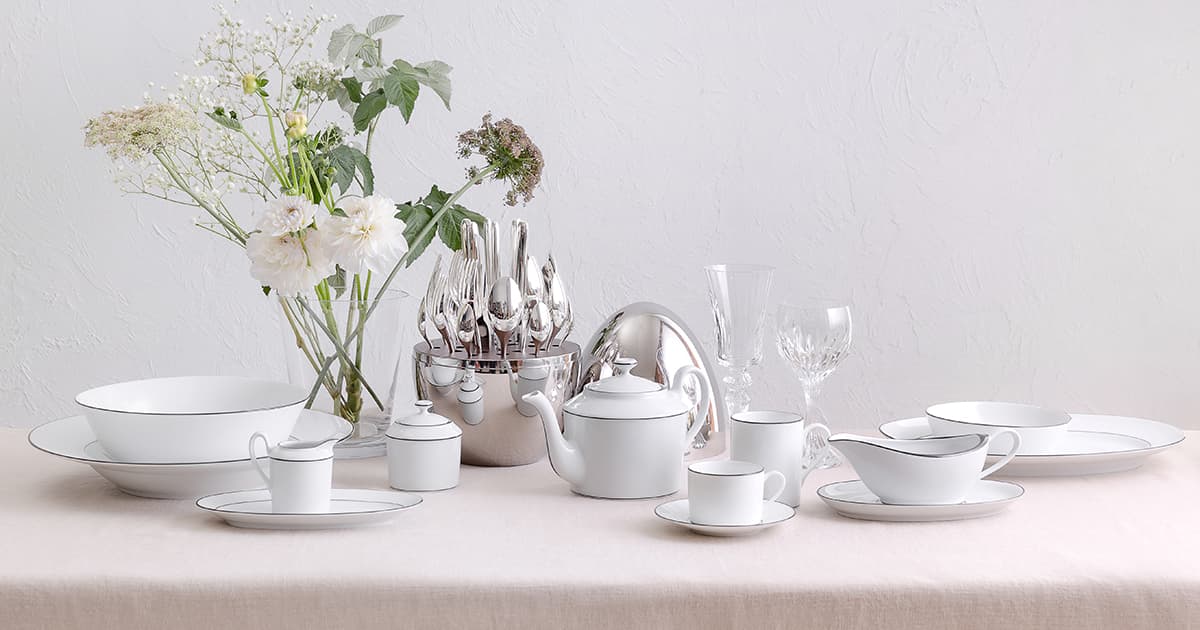
The introduction of table etiquette norms became the starting point for calculating dish shapes. This is why each dinner plate size strictly corresponds to a specific stage of serving dishes and acts as a marker of the type of meal, such as lunch, dinner, or a gala dinner. For example, for formal occasions, a charger is a must-have. This average dinner plate size starts at 30 cm (11.80 inches) or more and is essential for official feasts.
According to etiquette, it should be that large because its sole purpose is to serve as a tool for zoning each guest's personal space. It never presents food, only plates with the current course. Furthermore, the size of the dinnerware on the table indicates the order of the courses, so according to the rules, each subsequent item should either be smaller than the previous one or completely replace it.
Who Created the Standards?
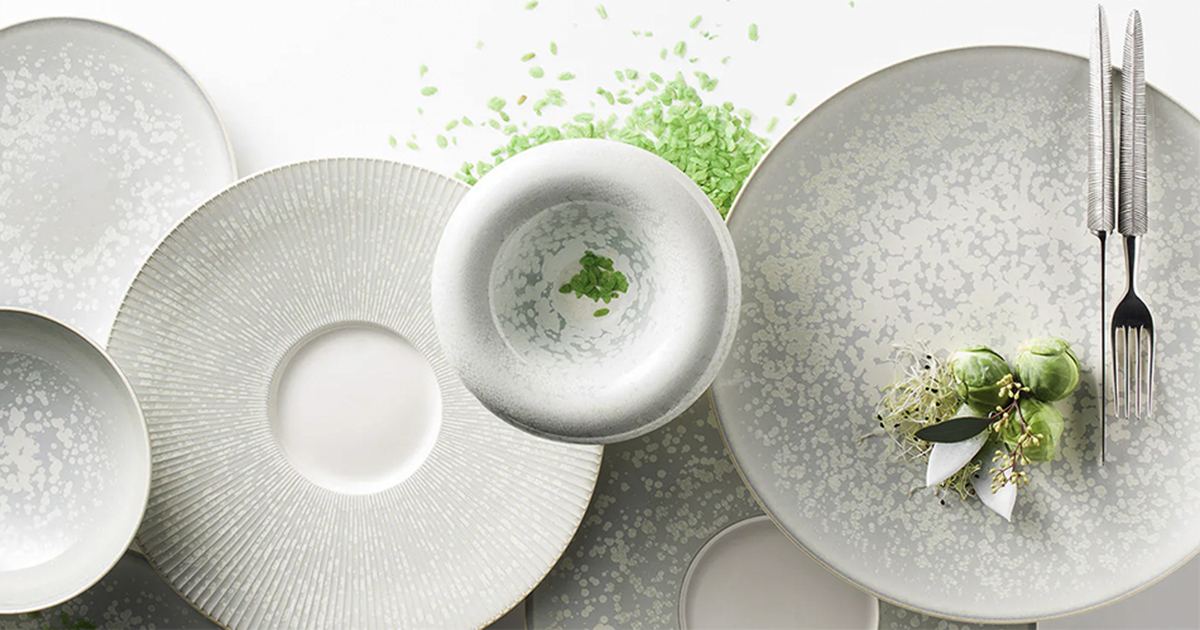
The start of clear dinnerware metrics was established by European monarchs and their chefs—specifically the French Court—based on the size of dining tables and the average portion volume. The oldest porcelain manufactories in England, France, and Germany adopted these measurements and moved into mass production. That’s why behind every standard-size dinner plate in our kitchens stands a centuries-old history and the royal habit of dining from porcelain plates of a specific shape. At the same time, the Old World uses the metric system to define plate diameter, while America prefers to use dinner plate size in inches.
What Specifies Dinner Plate Size Today?
It is interesting that over the last 100 years, plates have grown by almost 5 cm (2 inches). At MDMAISON, when we consult our clients on selecting dinnerware collections, we also point out that the standard dinner plate diameter of classic or historically restored lines is smaller than that of modern sets.
While dinnerware was once smaller to make portions seem more substantial, current restaurant trends favor minimalist servings on large, decorative plates. This helps create a beautiful presentation, because the empty space around the food highlights the dish and makes it look more refined and premium. On the technical side, larger dinner plate dimensions help maintain thermal balance and make it more comfortable to use utensils while eating.
Classification of Dinner Plates and Their Scopes
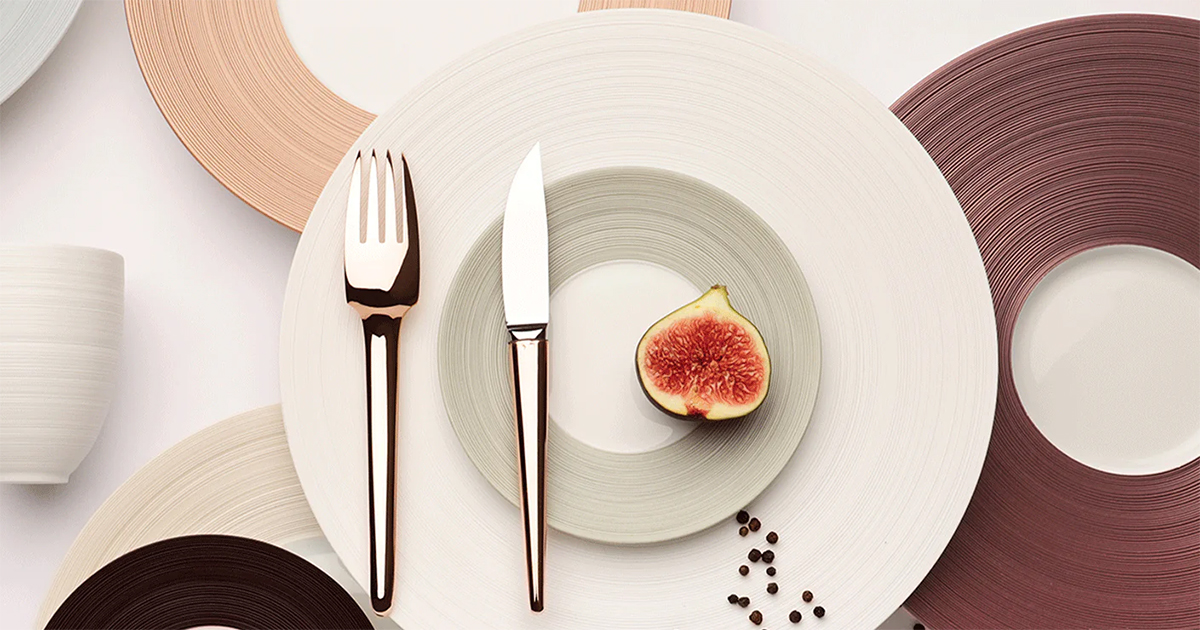
The variety of shapes and plate sizes relies solely on the richness and diversity of dishes from different cuisines and various products. For each category, chefs developed and tested specific parameters, from the most modest to the most impressive.
Dinner Plate Diameter for Main Course Items
Main course objects are the foundation of any meal and tablescape: servers, primary, and appetizer plates. Each dinner plate diameter depends on the item’s role and its placement.
- The charger is the big one. It performs a decorative function, protects the tabletop textile from drips and crumbs, and also helps retain the heat of the primary course vessel. According to etiquette, it remains on the surface until the dessert presentation. How big is a dinner plate? The scale varies from 30–35 cm (12–14 inches). Take a look at the Arcadia Red set by Baccarat—these pieces are truly breathtaking in their beauty and grace.
- The main dinner plate for hot entrées and sides is designed within 25–30 cm (10–12 inches), so the ingredients don't overlap, allowing for a beautiful arrangement of meat, vegetables, and decorative sauce elements. Looking for some striking pieces to compare? Take a look at Albertine Prune by Bernardaud or Grecque Vert Menthe collection by Fürstenberg .
Starters and Desserts: Sorts and Dimensions
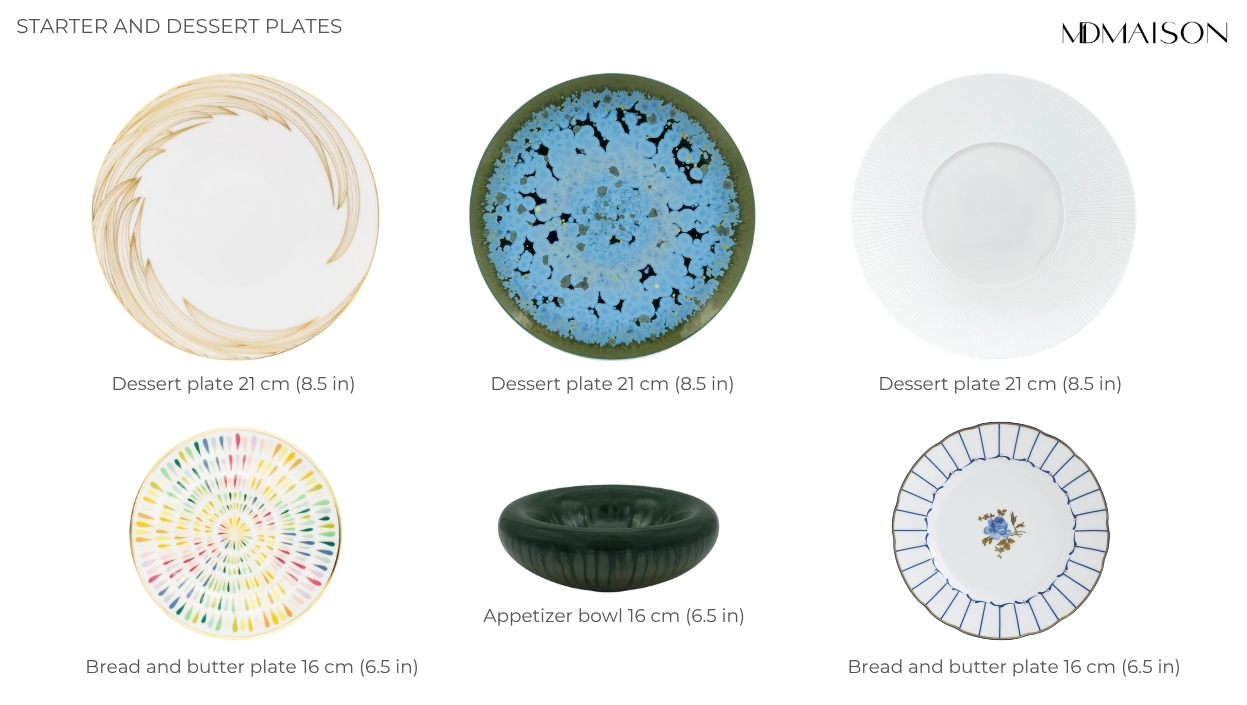
Since the primary function of these items is either to prepare for the feast or to conclude it, this category features the smallest diameter of a dinner plate. Their format helps hosts avoid overdoing it with appetizers and makes fancy dessert porcelain with sweets look even more elegant and charming.
- The small (or salad) appetizer is meant for bite-sized presentations like salads, cold cuts, or cheese. Its normal plate size is 19–21 cm (7.5–8.5 inches), no more. The Aguirre collection by Jaune de Chrome lets you choose from an array of stylish and truly unique porcelain pieces.
- A requirement for classic table settings, the bread and butter plate is placed on the left-hand side of the main container. Its compact proportions of 15–18 cm (6–7 inches) allow for a clean and uncluttered table. Just look at these gorgeous pieces from the Garden Party collection by Robert Haviland & C. Parlon or Limoges masterpiece, the Bernardaud Brocade dinnerware collection.
- On the other hand, the dessert plate, perfect for serving post-dinner treats like cakes, pastries, and fruit selections, differs from the appetizer plate by having more prominent decoration or a rim, with a regular plate size of 18–20 cm (7–8 inches). The Raynaud Limoges manufacture has released the Phenix collection, which features some truly graceful pieces, or the tactile elegance of the Bolero White Satin collection by J.L Coquet.
Deep Plates, Soup Bowls, and Their Standards
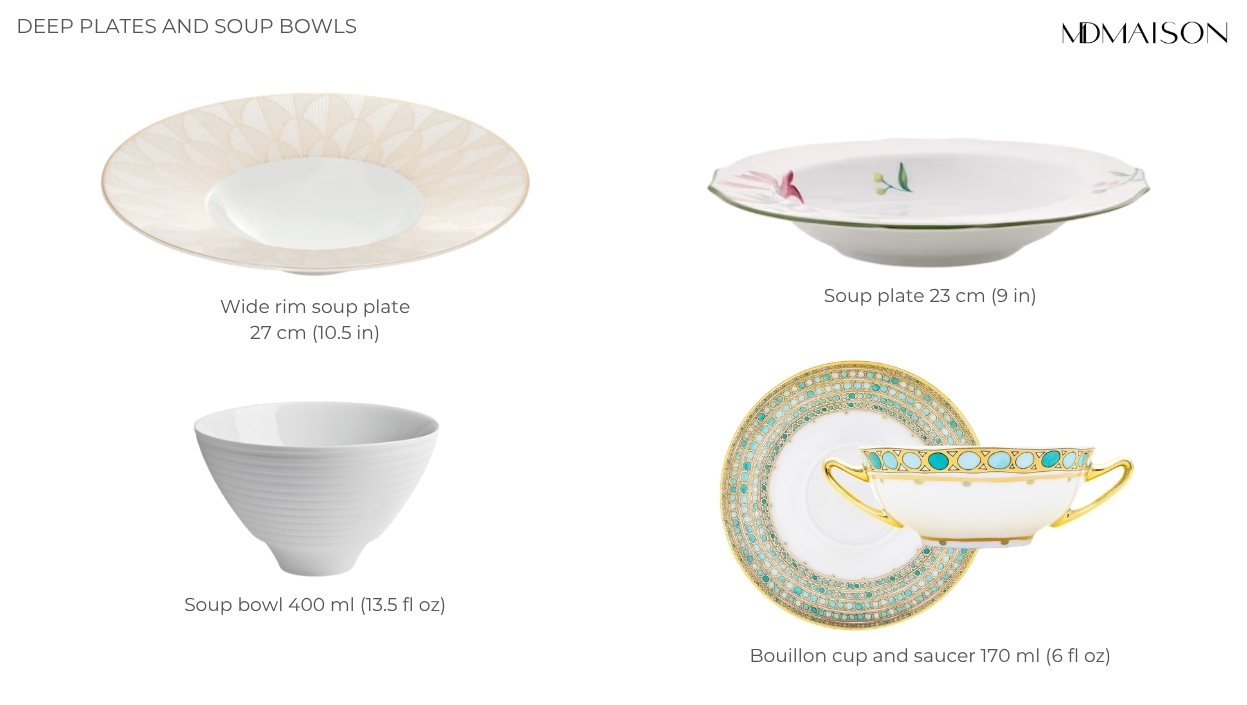
We know that items for serving liquids have their own shape rules. The average plate size, shape, and depth are chosen based on the type and thickness of the dish—whether it’s broth, breakfast porridge, or even mashed potatoes. They should be comfortable to use, spacious enough, maintain the desired temperature, and be visually appealing. Manufacturers often indicate the capacity rather than the diameter, as the base and top circumferences can differ substantially.
- The deep soup dish traditionally has classic wide rims so you can comfortably enjoy hearty soups. The average dinner plate size is 250–400 ml (8.5–13.5 fl oz). Ginori 1735 offers the Florenza collection, and Christofle Malmaison Impériale presents Gold dinnerware where you’ll find these pieces in a wide variety of shades.
- The soup bowl is a deeper piece, but without the rim. You choose it when serving thick creamy soups, as well as pasta, porridge, or muesli. Its typical capacity ranges from 300–500 ml (10–17 fl oz). The Hering Berlin atelier has introduced the Pulse collection, featuring an incredibly elegant and stylish range in bisque porcelain.
- Bouillon cups with one or two handles are designed for clear soups and light broths. Etiquette allows you to sip directly from the cup or use a small dessert spoon. Therefore, the size of standard dinner plate for these liquid dishes is typically 200–350 ml (7–12 fl oz). Marvelous Syracuse Turquoise by Robert Haviland & C. Parlon offers some truly beautiful examples.
Auxiliary Dinner Plate Size and Its Variations
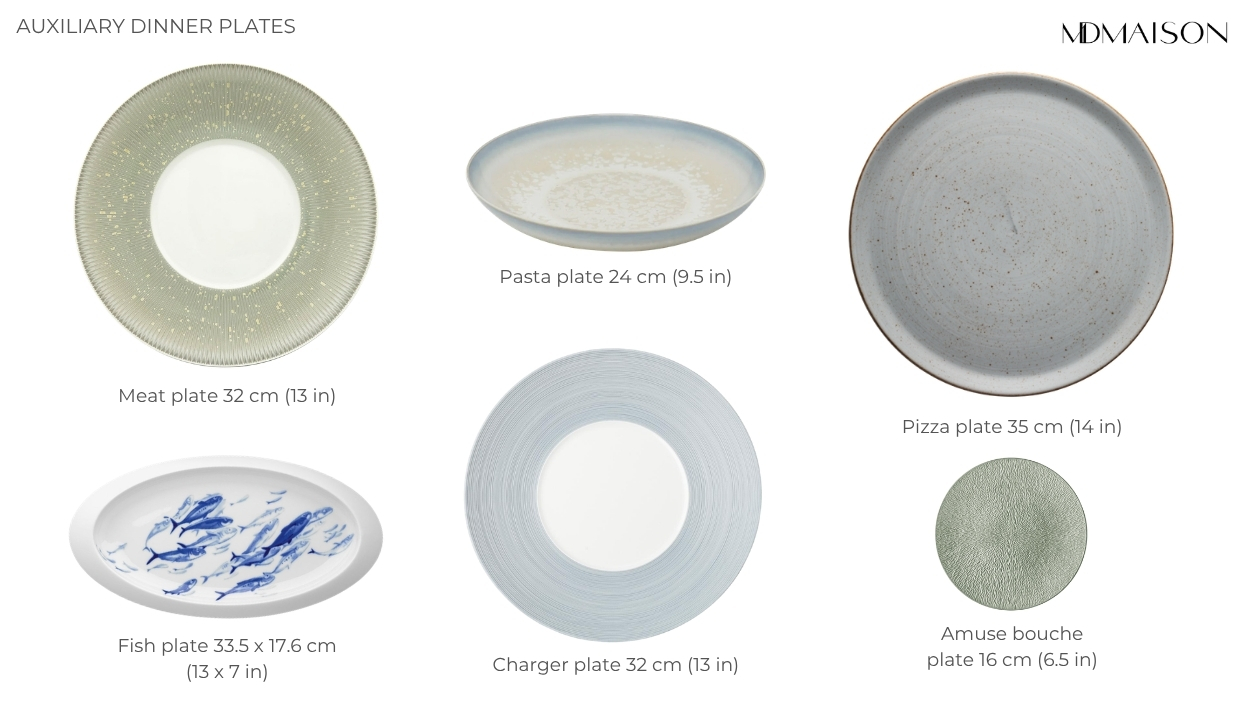
If you want to turn your special dinner into a restaurant-quality event, you can't go without accessory dinnerware. These pieces are exactly what expand your serving options and elevate the status of any occasion. What size is a dinner plate for this type of presentation? The characteristics vary widely because each piece is chosen for a specific culinary purpose.
- The pasta plate resembles an upside-down hat. A 27–30 cm (10.5–12 inch) diameter of dinner plate allows you to comfortably twirl your spaghetti. The Song Perle collection by Jaune de Chrome offers an array of sophisticated, high-end pieces.
- In contrast, personal pizza plates are entirely flat, typically measuring about 33–35 cm (13–14 inches) to fit a standard pizza.
- Steak plates are notably substantial and often include a perimeter groove for juices. The typical dinner plate size of 28–32 cm (11–13 inches) allows you to comfortably cut meat without mixing it with the side dish.
- Individual fish plates have a slightly elongated, oval shape, ranging from 30–40 cm (12–16 inches) along the long side.
- The buffet plate is the main utility for a buffet table. How big is a plate? It’s larger than a standard dinner plate but smaller than a serving platter. Your choice ranges from 27–32 cm (10.5–12.5 inches).
- The amuse-bouche or appetizer plate is a tiny dish for a chef’s complimentary bite. Its minimalist size (6–12 cm / 2.5–4.5 inches) allows a single bite-sized tasting.
Serveware and Specialty Pieces And the Rules They Follow
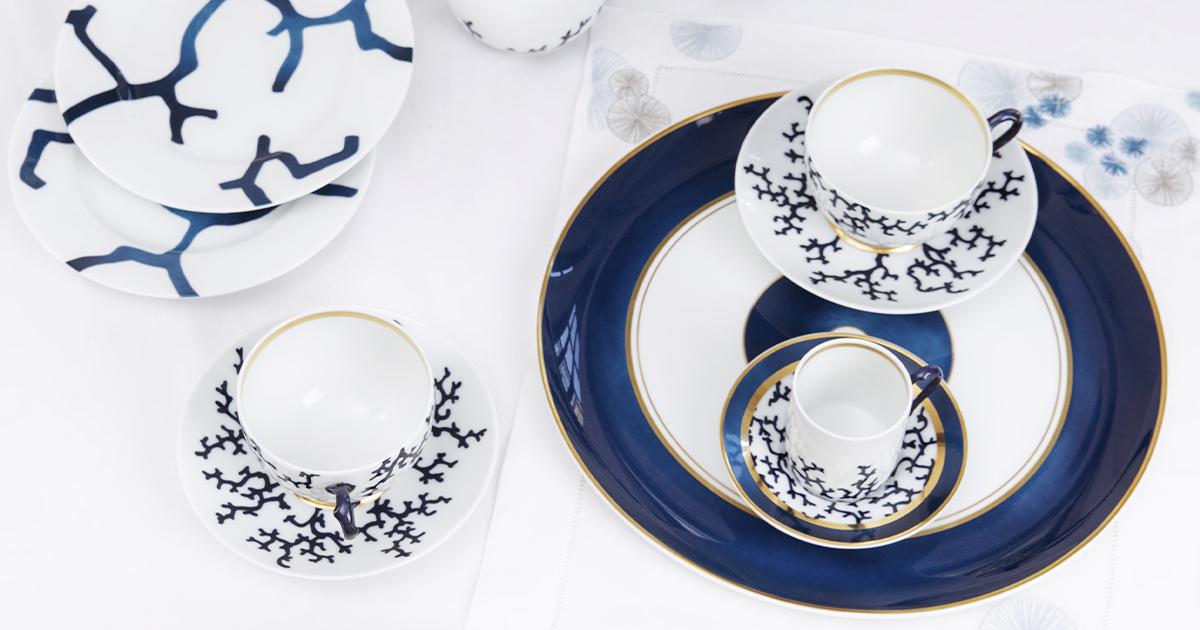
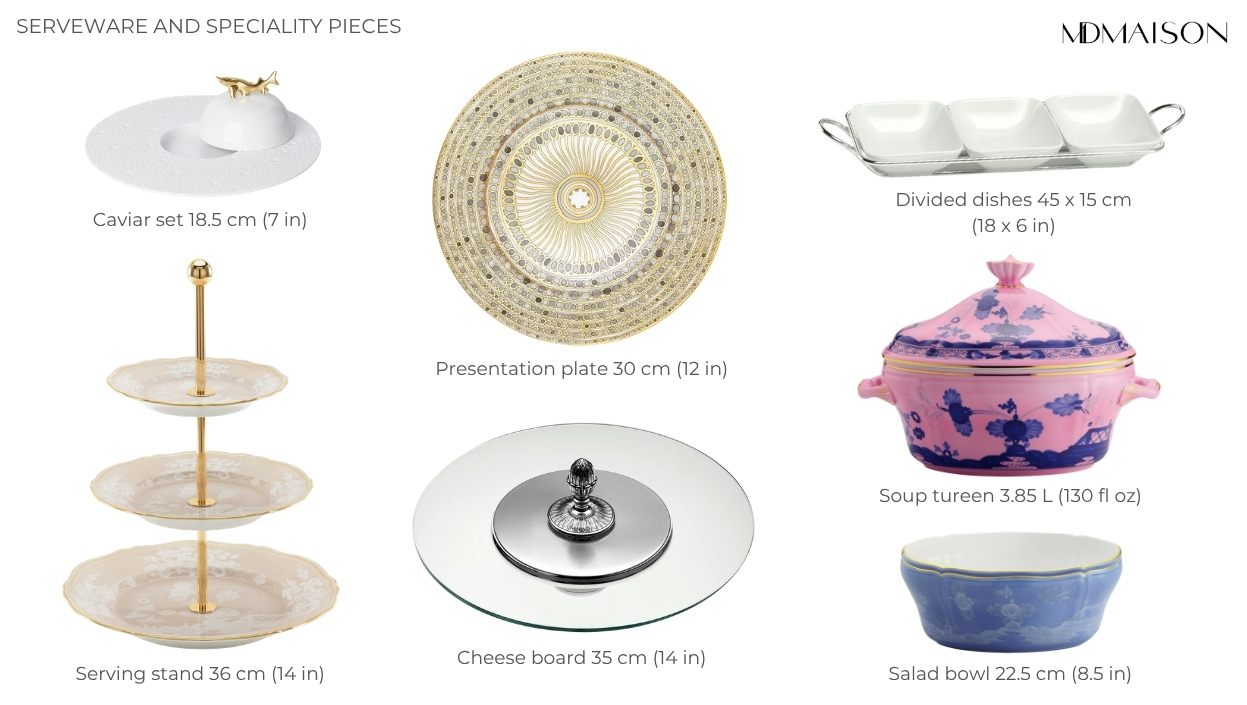
Beyond individual place settings, you’ll always find serving, specialty, and accessory pieces on the table, designed for communal dining or specific service needs: for example, for presenting main meat and fish courses, for cakes, pies, cheese, and cold appetizers. You can see some of the most attractive examples in our illustration. While standard dinner plate size falls within a fixed range, these specialty items offer a much more diverse range of dimensions. You’ll find all sorts of elegant designs to choose from in the Ginori Diva or White Satin by J.L Coquet.
For example, a platter for meat and fish dishes has a small size for cold cuts, a medium size for poultry and sides, and an oversized one for a whole suckling pig or a large sturgeon.
An Important Detail to Finish With
Standards are all well and good, but the modern restaurant business—especially in fine dining and chef-driven presentations—has moved away from standard sizes. In fine dining as well, numerous non-standard designs provide their own interpretations of usable space for various products and dishes. Therefore, when buying a set from a trendy luxury manufacturer, you might step outside the usual size of dinner plate. But it won’t feel like a mistake if everything is arranged properly and harmoniously within a unified table setting aesthetic.
If you want to experiment with luxury dinnerware collections, correctly select pieces in a mix-and-match format, or simply get a set with classic dinner plate sizes, contact us. Our MDMAISON team and our lead, Marina Deryagina, work on a wide variety of décor and table setting projects. We love creating classic etiquette-driven settings for our clients and solving non-standard requests, so feel free to choose and contact us in whatever format is most convenient for you.
FAQ
How big are dinner plates used as base settings in traditional table service?
These are called chargers (or service plates). They are the most extensive in a pack and can reach up to 35 cm (14 inches) in diameter.
What size are dinner plates for main courses?
Classic main course vessels measure around 25 cm (10 inches), though in contemporary collections, you’ll often find larger alternatives reaching up to 30 cm (12 inches).
How many inches is a dinner plate for serving desserts?
Dessert items are always on the smaller side; they vary from 18 to 20 cm (7–8 inches).