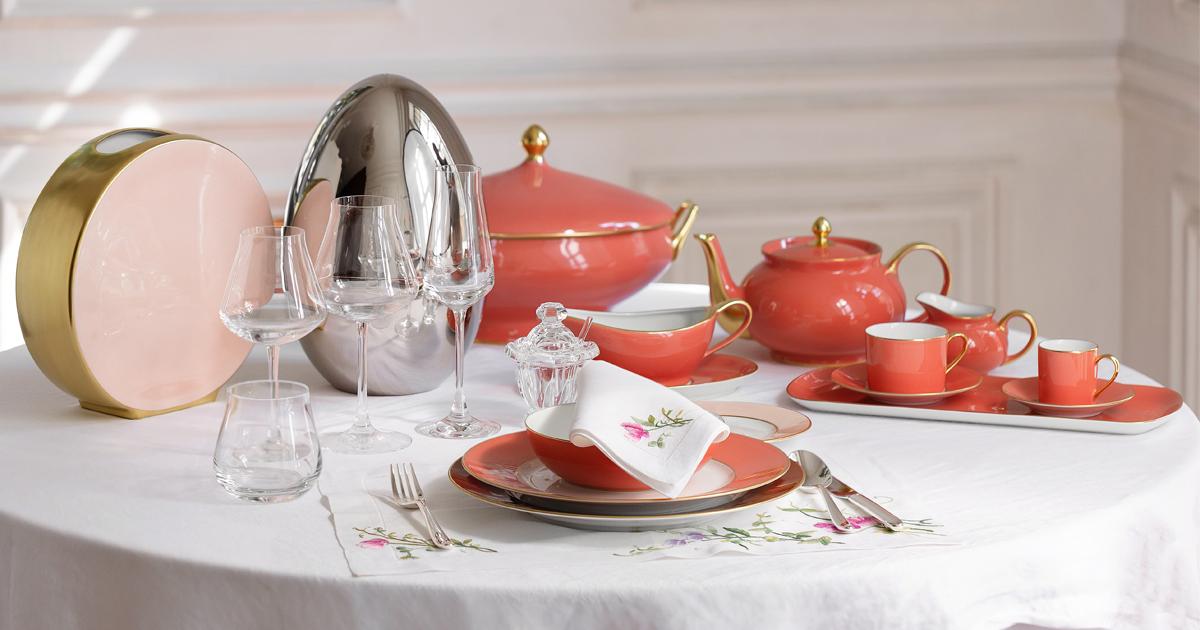
Bar Glassware Types: Choosing the Right Glass for Every Drink

Since our blog is dedicated to aesthetic elements of both interior design and tableware, this article will concentrate on drinkware, specifically, the bar glassware types and different drinking glasses types.
Our team wants to explore this topic to dispel the idea that this niche is all about snobbery. On the contrary, we aim to show that in order to truly savor a drink, it should be served correctly, in the right glassware, and in a way that looks beautiful and harmonious.
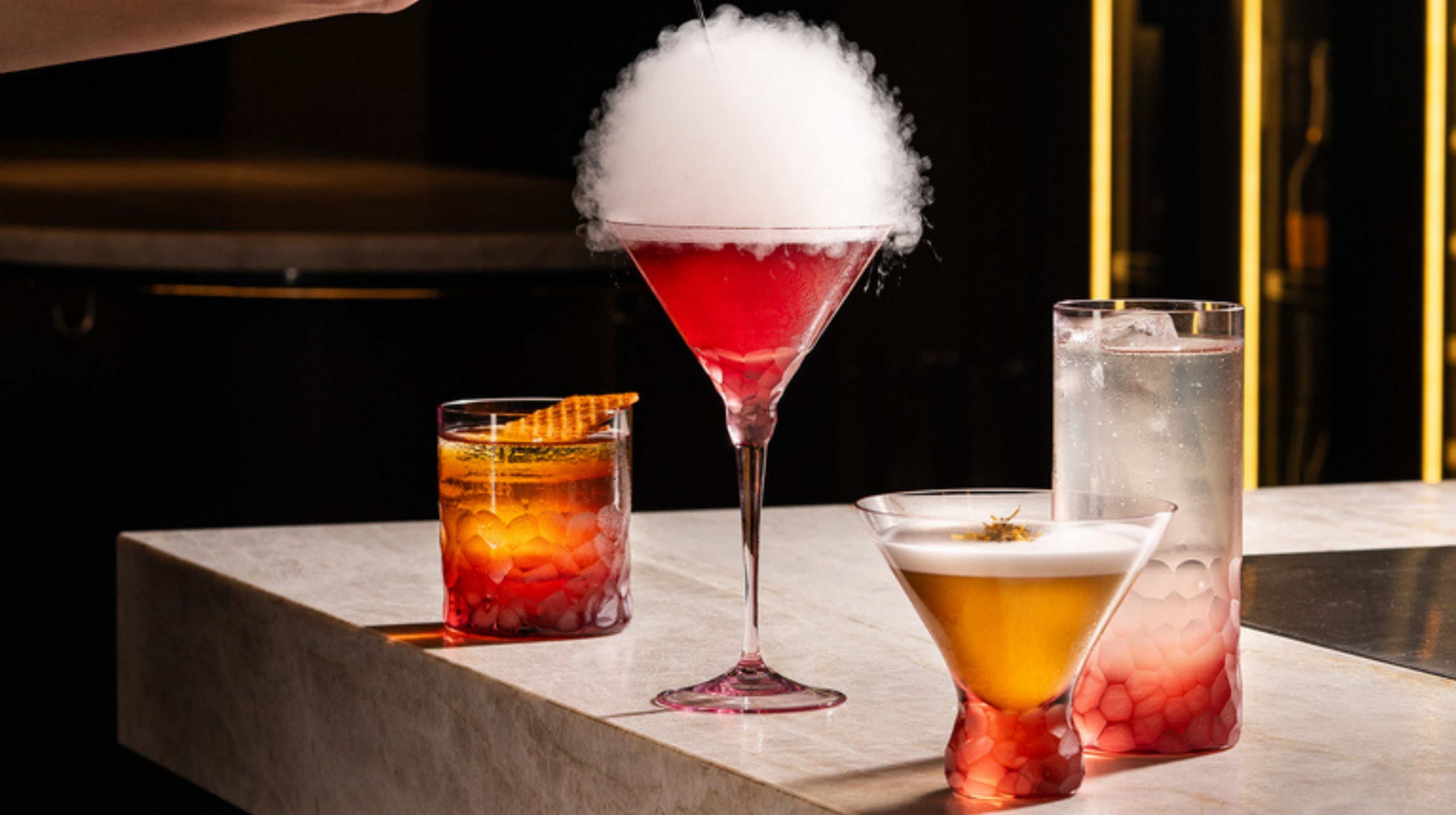
Our Main Points
- Our take on the importance of choosing proper types of glassware in a bar, with insight into how shape and aesthetics influence your enjoyment of spirits.
- We’ll cover everything related to the bar glassware types and collections — from current shapes and their purposes to the names of both popular and rare glass forms.
- We’ll take a look at items recommended for home use, as well as those commonly used in HoReCa establishments.
- We will provide examples of premium and exclusive brands, along with their collections, that are well-suited for implementation in your design projects.
The Importance of Matching Glassware
Any somewhat knowledgeable connoisseur of fine spirits understands that premium drinks behave very differently depending on the pieces they’re served in. For example, in a properly chosen specialty luxury bar glassware types, the aroma becomes more vivid; in another, if it’s not a good match, it almost disappears. Some shapes are simply wrong: ice melts too fast and ruins the flavor, while others have silhouettes that help keep the cocktail cold too long.
Tactile sensation also plays a role. Inexpensive glassware can feel unpleasant, whereas a well-balanced heavy rocks glass or fine crystal provides a noticeably more enjoyable experience. At the same time, there are situations — often during the most “sensitive” moments — when the way a drink is served stands out immediately, and the wrong piece can seriously ruin the impression of the evening and the host. As red wine poured into a flute or a narrow cup goes against etiquette and can be viewed as a misstep in presentation.
If your bar menu includes cocktails, especially classics like the Martini, Negroni, or Old Fashioned, then the item matters. Their signature presentation is so iconic that any deviation can make the drink look cheap. Or if you or your staff decide to pour a premium whisky into a form that doesn’t match its status, such a mistake can easily damage your reputation.
During high-profile gatherings, from corporate luncheons to ceremonial dinners — organizers should pay careful attention to visual cohesion and select the right bar glassware types, so that the drink station doesn’t break the overall aesthetic or appear out of place and careless.
So remember: the right glass enhances the visual appeal, as well as the taste and aroma of the drink. The geometry of each shape affects how a drink performs: it preserves specific qualities and directs the liquid to the right zones and taste receptors in the mouth.

The Purpose Behind Choosing Specific Glass Shapes
It was sommeliers, winemakers, and spirit producers who had the greatest influence on how alcohol glassware evolved. This is the result of centuries of accumulated practice, where drink enthusiasts studied their properties, and how flavor changes with air exposure or temperature, how aroma behaves in different vessels, and under what conditions it reveals itself best.
As a result, people began experimenting with the width, height, and neck shape of drinkware and bar glassware types long ago, testing different forms and comparing how they affected aroma. Eventually, glass manufacturers adopted this knowledge and turned it into industry standards: Bordeaux, Burgundy, white wine, Riesling, whiskey, rum glasses, and so on.
Common Bar Glassware Types
Let’s explore the types of glasses drinking, the design parameters that distinguish them, and their historical origins.
The structure of barware relies on three key elements: shape, diameter, and volume. Shape regulates temperature, while diameter and volume affect the flavor profile. Gradually, each sector established its own rationale: wine producers, breweries, the bar industry, and later, glassware and crystal manufacturers helped standardize specific shapes.
So, the main types of glassware used in bars are:
- Highball bar glassware types (high pieces for long beverages, e.g. Highball Harmonie by Baccarat).
- Lowballs (short, broader cups ideal for serving neat drinks e.g Tom Dixon Tank Lowball).
- Stemware (commonly selected for wines and cocktails e.g Saint‑Louis Vintage Roemers).
- Shots & Shooters (small-size barware for concentrated servings of spirits e.g. Lalique 100 Points Vodka Shot Glass).
- Specialty silhouettes (such bar glassware types are meant to advance the sensory or aesthetic qualities of select beverages e.g. ARTEL Forest Folly Fox Amber Flute).
- Multipurpose drinkware (those everyday tumblers and goblets that handle everything from juice to simple mixed drinks, e.g Luigi Bormioli Alto).
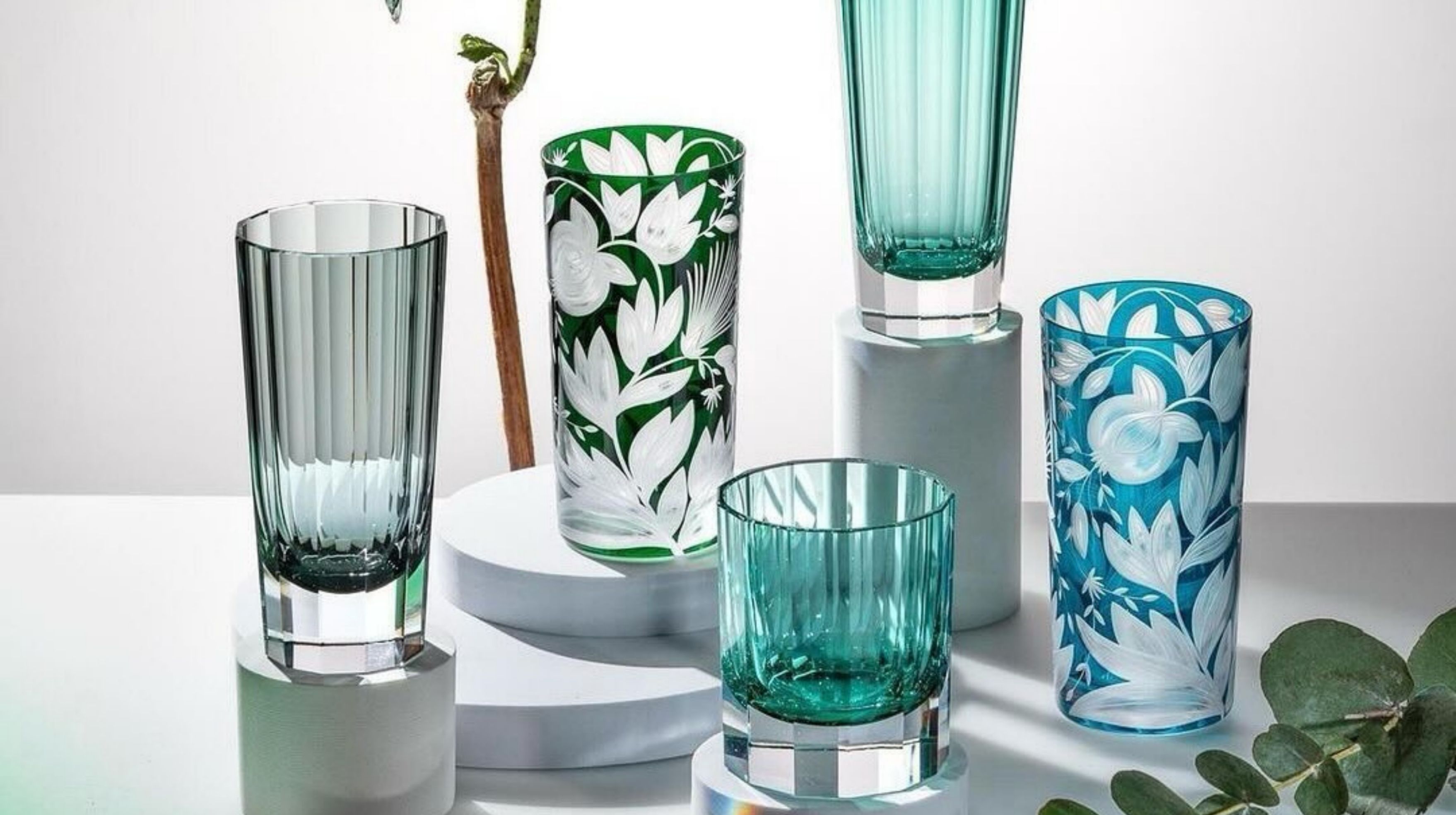
Bar Glassware Types Based on Form
To impress your guests without much effort, all you need is a selection of truly exceptional drinks and, of course, a good variety of types bar glass to match the occasion and standard. Beyond sensory function, distinctive drinkware plays a visual and emotional role — signaling a cultivated appreciation for form, aligning with high-end settings, and subtly improving the exclusivity of the interior environment. So, let’s take a look at the classification of types of alcohol glasses.
Wine Glass Types
These bar glassware types are meant for character-driven wines and the way they unfold in the bowl. They’re typically used for varieties born in regions with deep wine traditions, where each harvest is an event, and wine is crafted not by mass production, but quite literally by hand.
- Bar glassware types for reds (broad, rounded vessel with a large bowl to encourage aeration, e.g. Red Wine Tolomeo glasses by Nason Moretti or Christofle Iriana)
- White wine (narrower and elongated, designed to maintain temperature and focus delicate notes e.g. Pinto Chance ).
- Rosé glass (something in between, usually a bit slimmer than the white wine glass e.g. The Prestige White Gold by Theresienthal).
- Burgundy (a wide tulip shape, e.g. Lobmeyr Ballerina Burgundy glass or The Burlesque by Nason Moretti).
- For Bordeaux (tall and thin, suited for full-bodied reds e.g. Villeroy & Boch Maxima).
- Sparkling & Champagne bar glassware types (flute or tulip to keep the fizz and focus the bouquet e.g. Sieger by Fürstenberg Champagne or Robbe & Berking Martelé).
- Portwine and sherry (e.g. Hering Berlin Domain)
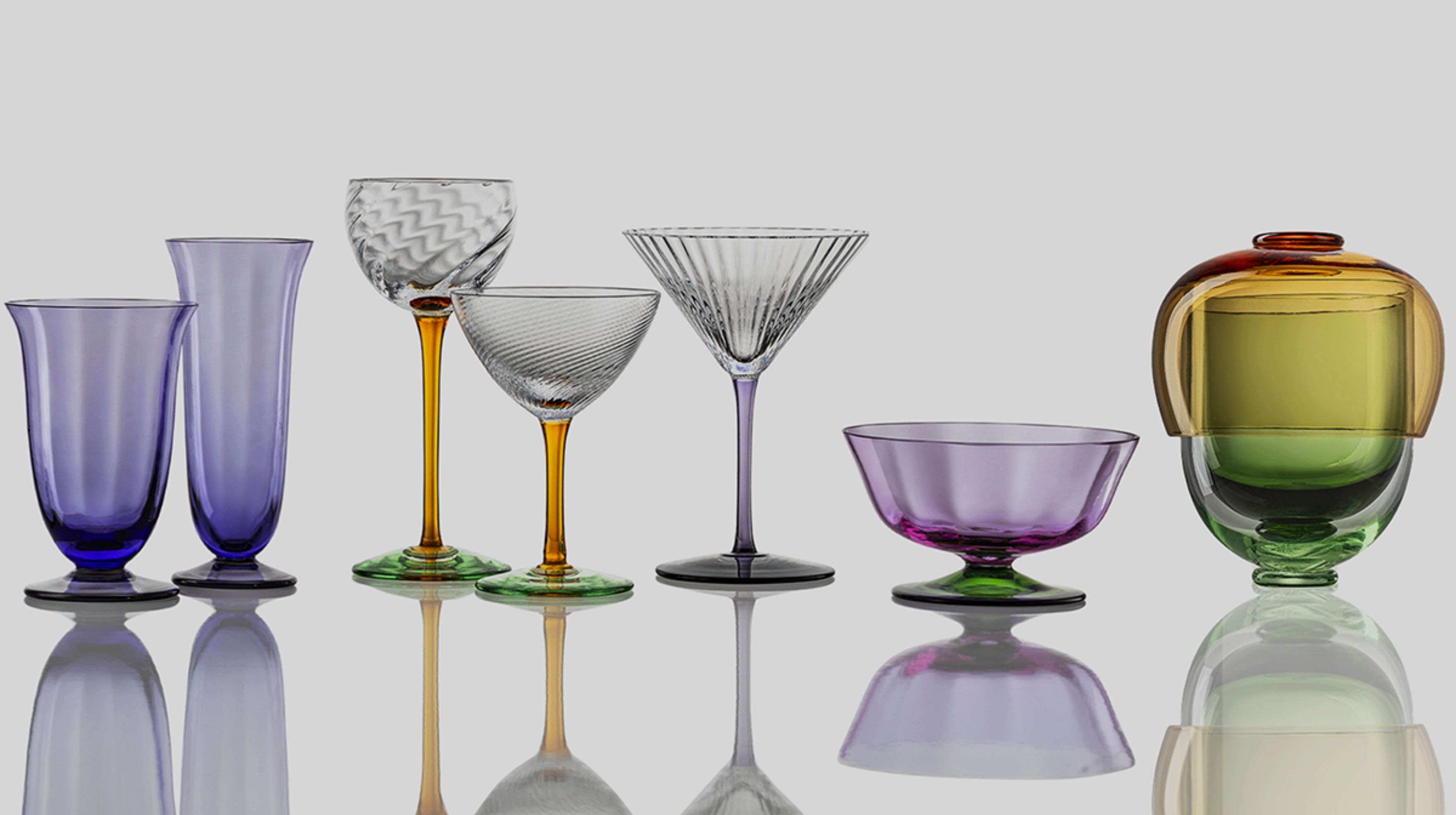
Cocktail Styles
Signature cocktails featuring premium spirits and rare bitters demand attention to quality, recipe accuracy, and thoughtful presentation. Crafted by skilled bartenders, these cocktails are nearly a form of gourmet gastronomy.
- Martini (triangular shape, designed for dry cocktails e.g. Helle Mardahl Cocktail glasses or Baccarat Vega).
- Margarita glass (wide, dramatic, with rim step e.g.Lismore by Waterford Crystal).
- Highball bar glassware types (tall and cylindrical, for cocktails with soda, e.g. ARTEL Viden or Baccarat Everyday Bar collection).
- Rocks or Old Fashioned types (wide and low, designed for over-ice spirit-based serves e.g. Christofle Graphik crystal or Owl by Lalique).
- Collins (they look like a tall highball but slimmer e.g. Baccarat Harmonie bar collection).
- Nick & Nora bar glassware types (elegant, enclosed bowl for classic-style serving e.g. Simon Pearce Nick & Nora Glass).
- Hurricane (curved and showy, made for tropical vibes e.g The Splendid Moser).
- Pint glass or beer mug (for beer cocktails, sours, and similar mixes e.g.Robbe & Berking Belvedere).
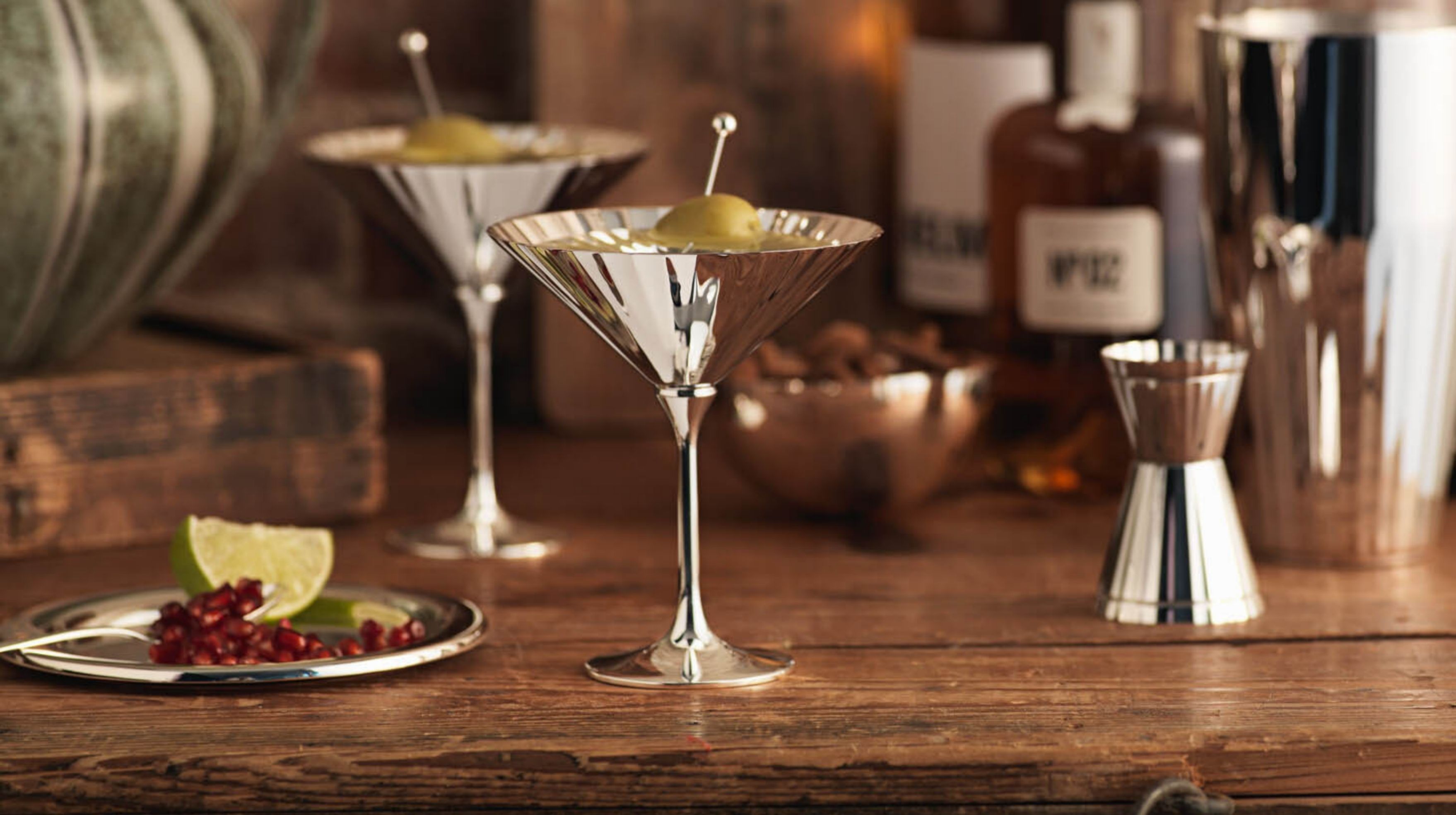
For Collectible and Strong Spirits
Premium strong spirits are typically small-batch and produced with care. Their long aging process naturally increases their strength, often exceeding 40% ABV. This category includes artisanal spirits made with premium botanicals, which is why they require distinctive types of drink glasses for proper serving:
- Rocks or Old Fashioned (small, wide tumbler for whiskey e.g. Baccarat Mille Nuits or Lotus by Lalique).
- Shot bar glassware types (compact barware portioned at 30–50 ml for high-proof spirits consumed in a single sip e.g. Trianon line by Saint-Louis or Maharani Moser).
- Snifter (wide-bottomed, narrowing at the top, ideal for cognac or brandy e.g. Romantic Horizont Bohemia Crystal).
- Glencairn (tulip-shaped tasting glass e.g Royal Brierley Sennen).
- Vodka shot bar glassware types (small and straight-sided e.g.Christofle Iriana Vodka glasses or The Prestige from Theresienthal).
- Grappa glass (tall, narrow, tulip-style, e.g. Versace Medusa Lumiere).
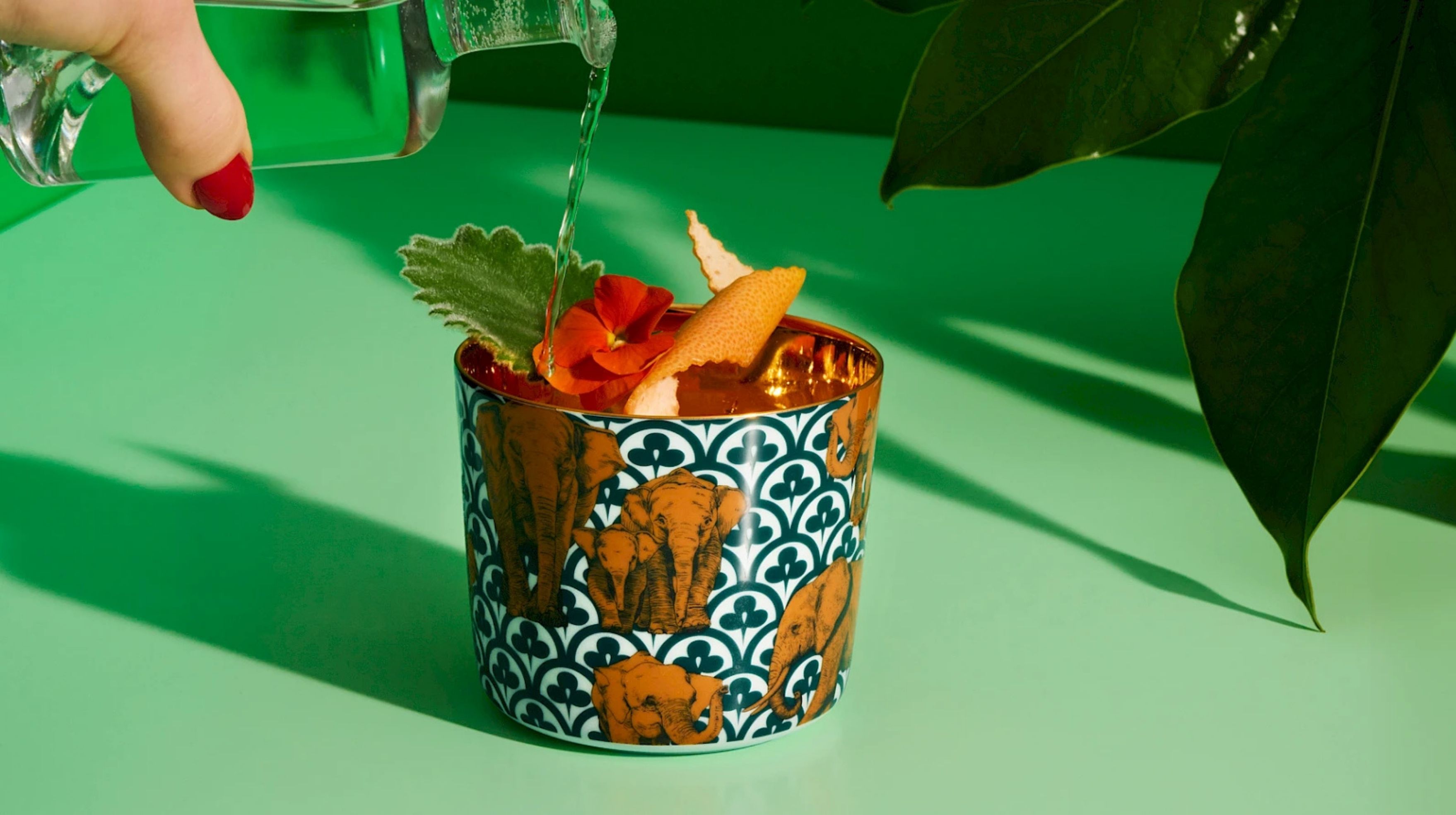
Beer Drinks Style & Presentation
If you serve craft IPAs, Double IPAs, imperial stouts, barleywine, or any other premium beer or hop-forward drinks, take specific bar types of glasses designed for them. The thing is, these beers have complex flavors and aromas. That’s why we recommend the following forms:
- Pint (standard tall bar glassware types e.g. Beer Glass Drinking set No. 4 by Lobmeyr).
- Weizen (tall with a curved shape e.g. The Oenologie Baccarat).
- Pilsner (narrow and cone-shaped e.g. Pils Erika Lagerbielke).
- Beer mug (hefty with a handle, built for a solid pour e.g. Bohemia Crystal Beer Mugs Gold and Platinum).
- Tulip bar glassware types (designed for aromatic ales e.g. Zalto Glas Perfection).
- Snifter (for strong craft brews, stouts, and barleywines e.g. Vista Alegre Chartres ).
- Stein (traditional ceramic or metal mug with a lid e.g Royal Selangor).
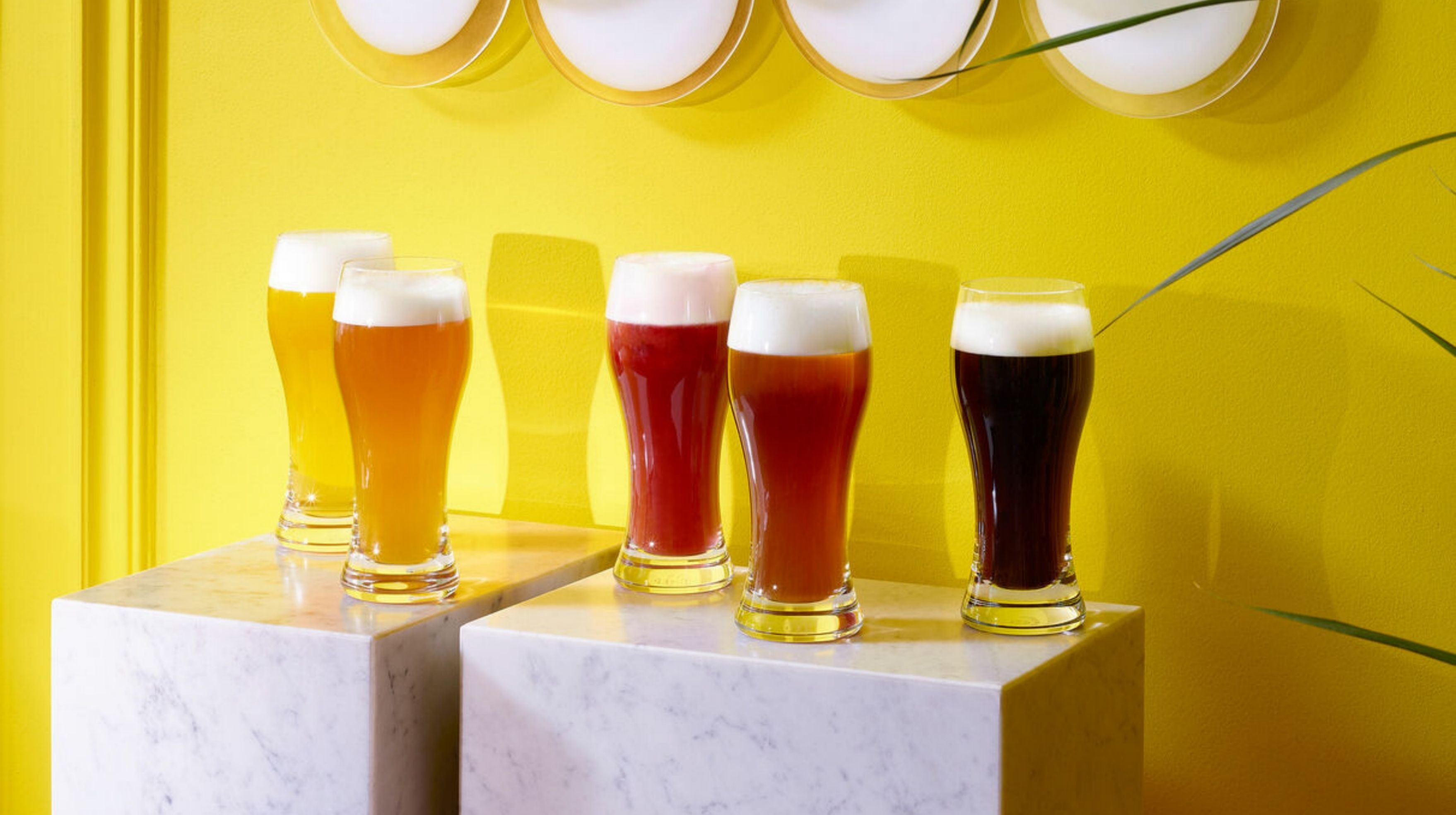
How Restaurants Choose the Right Glass
Types of glassware used in bars and restaurants are usually chosen primarily for functionality, with the menu in mind. Basically, the glass shapes are picked to match what’s actually featured on the drink list — nothing extra, nothing random.
If a bar emphasizes cocktails, it’s logical for the owners to invest in a diverse selection of appropriate bar glassware types, such as highballs, Old Fashioned bar glassware types, coupes, and Nick & Nora glasses. For restaurants, the wine list plays a key role, which means wine-friendly glassware. Ideally, the brand behind the barware should match the level of the establishment, support its concept and style, and emphasize ergonomics so that servers and bartenders can work efficiently. For commercial use, we advise selecting more durable options compared to home collections — such as tempered or pressed glass, rim-treated variants, and high-quality materials like lead-free crystal.
Choosing Glassware for a Home Bar
Is there any greater pleasure than savoring your favorite everyday drink in your own little corner of comfort and zen? Today, a home bar represents more than just affluence: it reflects a considered approach to living. It’s about choosing presence over distraction, savoring a well-served drink, and enjoying either personal reflection or meaningful conversation.
We know that designers and owners of high-end properties often use standard types of glassware in a bar. However, there is considerable potential to diversify glassware selections by introducing varied shapes, materials, and decorative details.
What we recommend:
- Choose high-quality bar glassware types that suit your favorite drinks. Invest in pieces you’ll truly use and love. Whether it’s a hand-cut crystal tumbler or a flute with gilded detailing, pick what matches the drinks you’re proud to serve. And there’s little point in having a complete barware collection if you seldom host gatherings or serve drinks to others.
- Prioritize high-quality materials and reputable glassware brands. If you dream of creating a stunning, show-stopping bar, look into collections made from hand-cut crystal or Murano glass, exclusive colored or Bohemian glass, and mouth-blown pieces, they look and feel truly different.
- Curate your bar glassware types and elements to reflect your interior’s design language, as a home bar should reinforce the stylistic harmony of the space, not disrupt it. For example, a modern interior requires minimalist, thin bar glassware types; classic interiors prefer crystal; while loft-style spaces lean toward heavier forms.
- Beyond function, drinkware should deliver a sensory experience. So if the ritual matters to you, choose pieces that feel good in your hands, are beautiful to look at, and captivate with their shimmer and aesthetic appeal.
- Don’t skip the showstoppers. Select two or three high-impact items, such as artisan coupes, limited-edition glassware, or a luxury decanter, to anchor the space with character and sophistication. This is one of the most straightforward ways to define the character of your space.
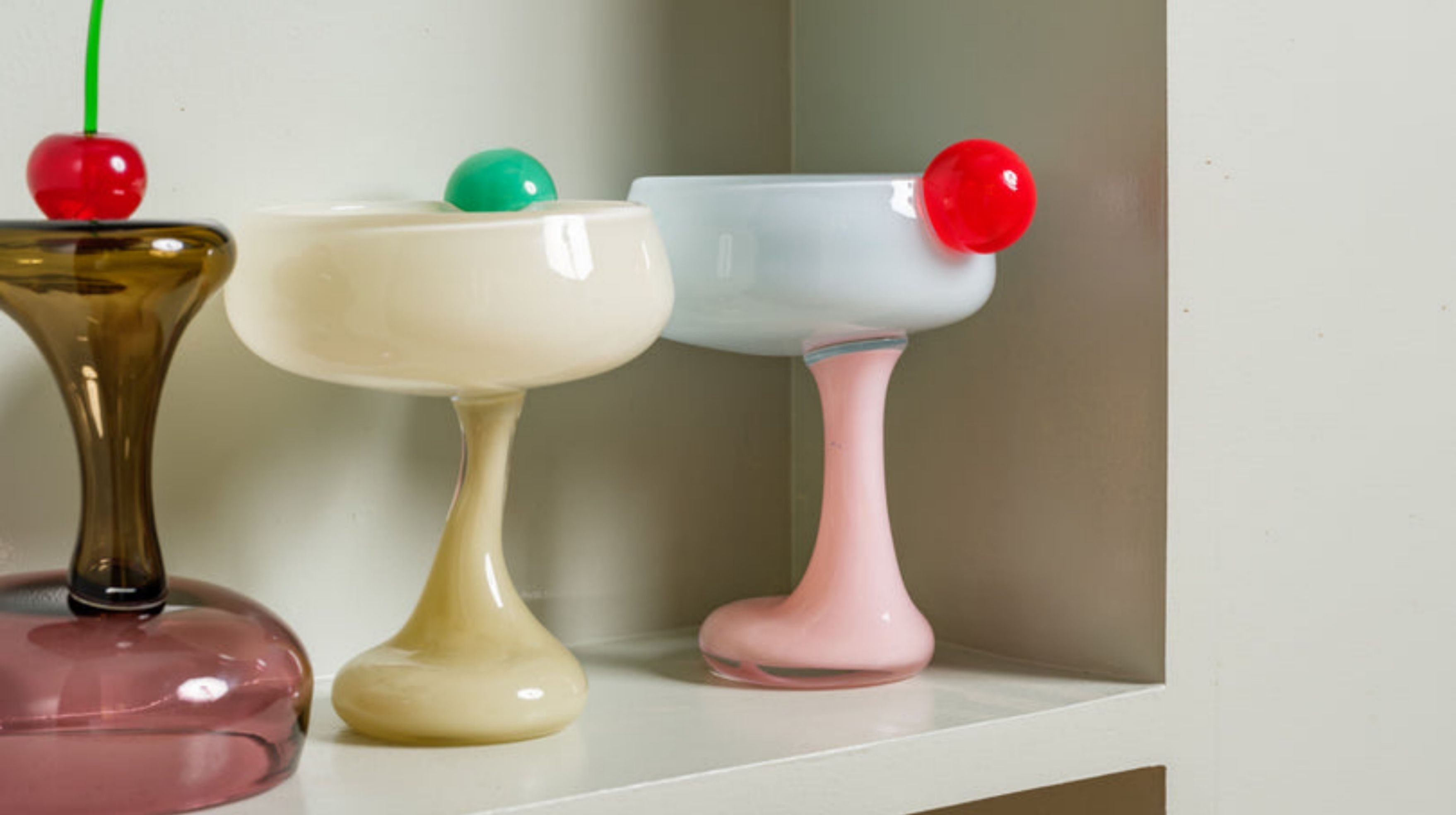
How to Choose Bar Glass Types with MDMAISON
Some of our most rewarding and exciting projects involve creating bar setups, selecting pieces and collections that match a specific interior concept, and the client’s personal taste. All you need to know is that we handle these tasks with creativity and a strong sense of style.
Let our team guide you to find perfectly matching types of bar glass that suit both your favorite drinks and your aesthetic preferences. Get in touch with MDMAISON, work with us, and enrich your life with beautiful pieces, and complete your drafts with objects that inspire and details that delight.
FAQ
Why is it important to choose the right bar glass type for a specific drink?
Yes, as the geometry of the glass directs the drink to the right taste buds and helps the aroma open up—or, conversely, prevents it from evaporating too quickly.
How does glassware material influence the drinking experience?
High-quality crystal or thin glass provides a pleasant tactile feel and allows you to better appreciate the color and clarity of the drink.
Should my glasses actually match my home’s decor?
Yes. The form, weight, and ornamentation of the glassware should complement the interior materials and the aesthetic theme of the space to create a unified look.